Wisdom teeth, also known as third molars, are the last set of teeth to erupt, usually between the ages of 17–25. In many cases, they don’t have enough space to grow properly, leading to pain, swelling, infection, and other complications.
With modern dental techniques and advanced surgical tools, 3rd molar surgery has become a safe, quick, and minimally invasive procedure that ensures maximum comfort and faster healing.
3rd molar surgery is a minor oral surgical procedure used to remove impacted, partially erupted, or problematic wisdom teeth. These teeth can grow at an angle, remain trapped under the gums, or press against nearby teeth.
👉 Removing them at the right time helps prevent serious dental issues and protects your overall oral health.
You may require wisdom tooth extraction if you experience:
-
Persistent pain or discomfort at the back of your mouth
-
Swollen, red, or bleeding gums
-
Difficulty opening your mouth or jaw stiffness
-
Bad breath or unpleasant taste due to infection
-
Food getting trapped around the wisdom tooth
-
Pressure or damage to adjacent teeth
Ignoring these symptoms can lead to infections, cysts, or damage to nearby teeth.
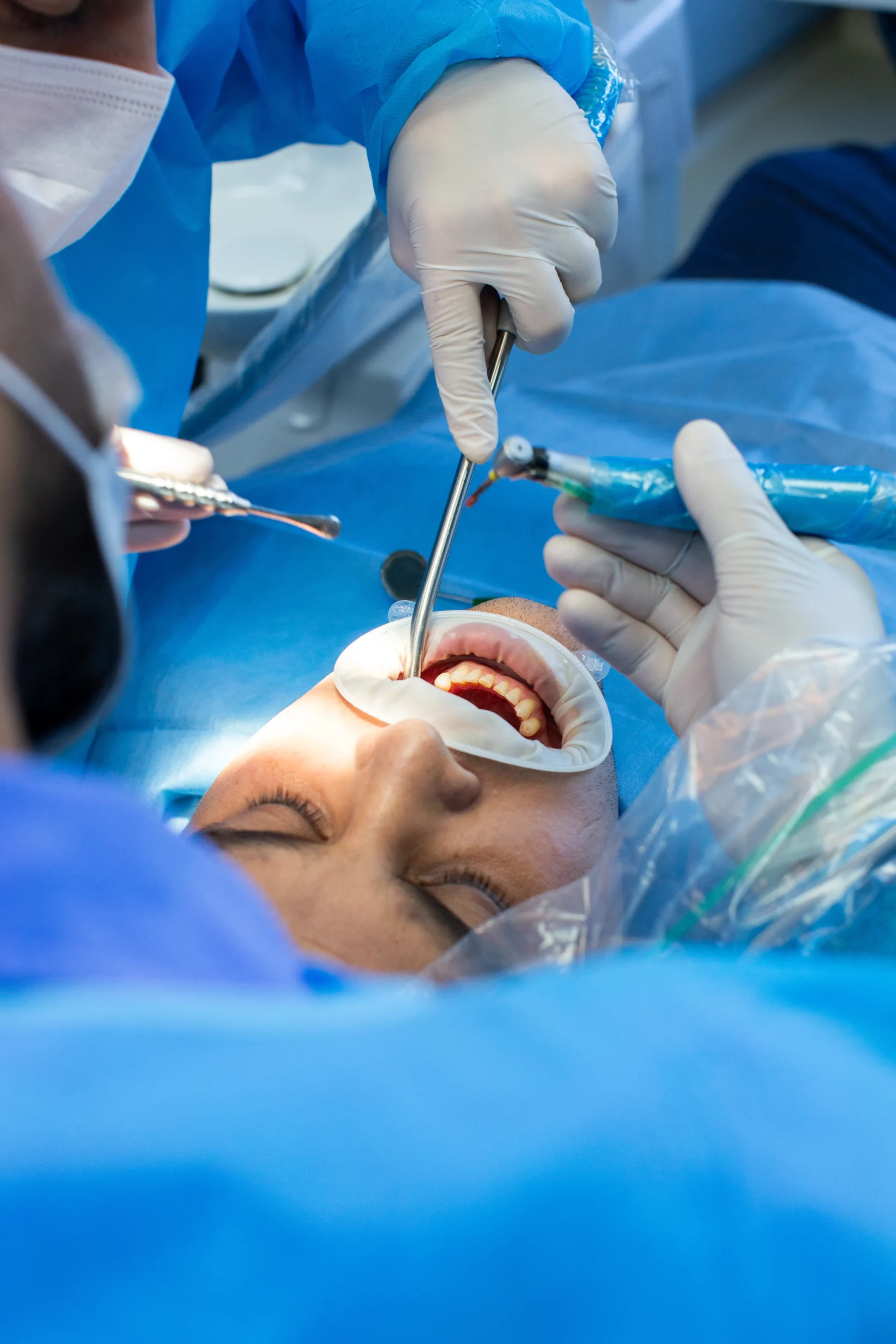
Your dentist evaluates the position of the tooth using digital X-rays or scans.
The area is numbed to ensure a completely painless experience.
The tooth is carefully removed. In some cases, it may be divided into smaller sections for easier extraction.
The area is cleaned thoroughly and stitched if necessary to promote healing.
👉 The entire procedure usually takes 20–40 minutes, depending on complexity.
Immediate relief from pain and discomfort
Prevents infection and gum disease
Protects surrounding teeth
Improves oral hygiene and cleanliness
Reduces risk of future dental complications
Mild swelling and discomfort for 2–3 days
Use ice packs to reduce swelling
Avoid hard or spicy foods initially
Maintain proper oral hygiene
Follow prescribed medications
Most patients recover quickly and return to normal routine within a few days.